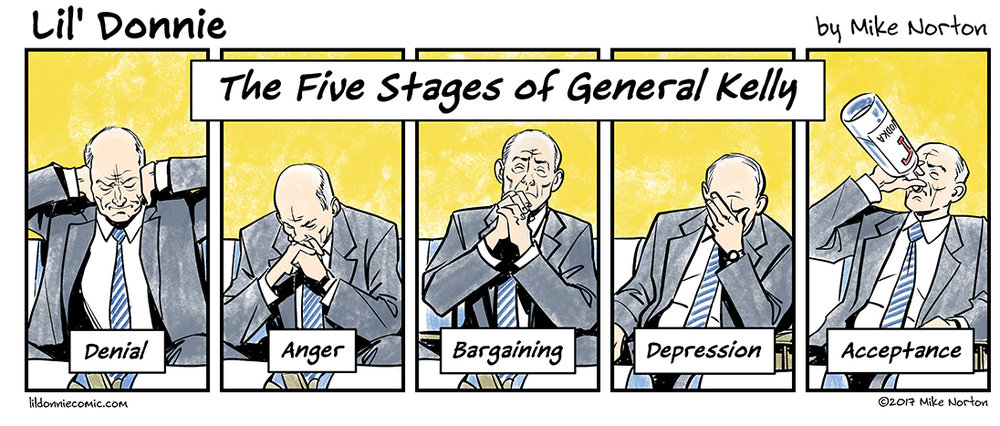
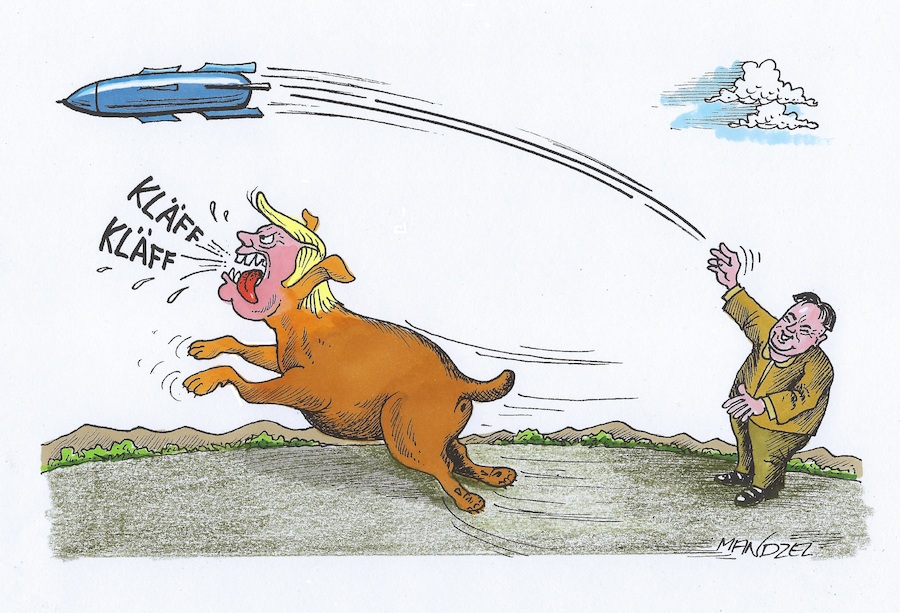
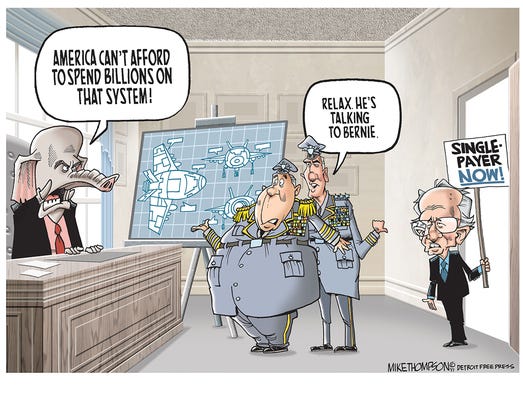
With this week's lefty blog post and news roundup, the Texas Progressive Alliance urges our government to attend to the much-needed care of our American brothers and sisters in Puerto Rico.

Off the Kuff documented the requirements for cities to receive state money from the Rainy Day Fund for Harvey recovery.
SocraticGadfly notes Ken Burns' Vietnam series is online, and, given its degree of faults and weaknesses, offers up a stark in-depth critique of Burns' entire oeuvre of work, capped by the current series.
The latest update on Russia -- including Paul Manafort and Facebook -- has been posted by PDiddie at Brains and Eggs.
CouldBeTrue at South Texas Chisme is upset that GOP legislators will ask Texas drivers to pay for reducing the backlog of rape kits waiting for forensics testing.
Grits for Breakfast suggests that a public defender for criminal appeals cases would reduce waste, increas inefficiency, and protect the civil rights of those enmeshed in the so-called justice system.
jobsanger highlights Trump's racism and disdain for equality.
The Rivard Report announces changes at the top of that publication's editorial leadership.
Houston Matters quotes Dallas Congressman Jeb Hensarling as telling Harvey flood victims that "at some point, God is telling you to move".
Sophie Novack at the Texas Observer asked some Texas congressional Democrats where they stood on single-payer, and the responses were a little dodgy and disconcerting.
The AP, in the Waco Tribune Herald, reports that the EPA has removed several hundred containers of "potentially" hazardous material from toxic waste sites in Texas, but won't say where they came from, what the contaminants might be, or even whether there remains a danger to the public.
The Texas Living Waters Project sees trouble in the decline in wildlife in Texas' rivers.
Scott Braddock calls on Greg Abbott to take the opportunity to act like a leader post-Harvey.
Writing in Wonkette, Respectable Lawyer demonstrates how he got a stripper-beating Republican mega-donor to back off about the mugshots that Juanita Jean had posted.
Beyond Bones welcomes the start of autumn with a little science.
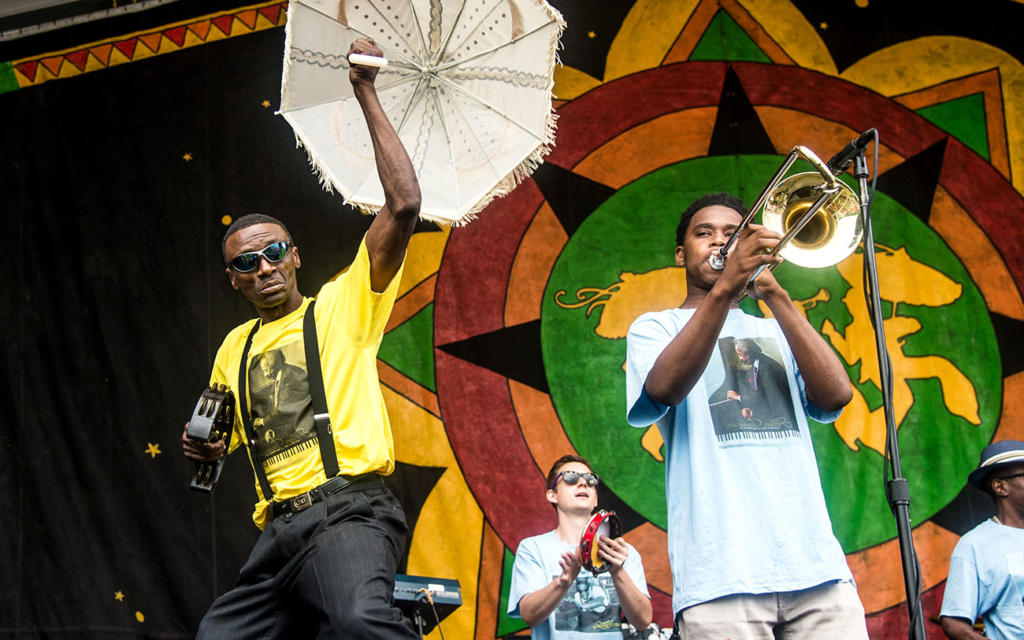
Houston buried Harvey's bad memories with a little help from its New Orleans music-making friends, and John Nova Lomax at Texas Monthly felt the bond between the two Gulf coastal cities grow even stronger as a result.
And Dos Centavos advances the details of two events in Houston: the 38th Annual Festival Chicano at Miller Outdoor Theatre weekend after next, and the retirement party/tour for Americans United president Barry Lynn in mid-October.
Off the Kuff documented the requirements for cities to receive state money from the Rainy Day Fund for Harvey recovery.
SocraticGadfly notes Ken Burns' Vietnam series is online, and, given its degree of faults and weaknesses, offers up a stark in-depth critique of Burns' entire oeuvre of work, capped by the current series.
The latest update on Russia -- including Paul Manafort and Facebook -- has been posted by PDiddie at Brains and Eggs.
CouldBeTrue at South Texas Chisme is upset that GOP legislators will ask Texas drivers to pay for reducing the backlog of rape kits waiting for forensics testing.
Grits for Breakfast suggests that a public defender for criminal appeals cases would reduce waste, increas inefficiency, and protect the civil rights of those enmeshed in the so-called justice system.
jobsanger highlights Trump's racism and disdain for equality.
The Rivard Report announces changes at the top of that publication's editorial leadership.
Houston Matters quotes Dallas Congressman Jeb Hensarling as telling Harvey flood victims that "at some point, God is telling you to move".
Sophie Novack at the Texas Observer asked some Texas congressional Democrats where they stood on single-payer, and the responses were a little dodgy and disconcerting.
The AP, in the Waco Tribune Herald, reports that the EPA has removed several hundred containers of "potentially" hazardous material from toxic waste sites in Texas, but won't say where they came from, what the contaminants might be, or even whether there remains a danger to the public.
The Texas Living Waters Project sees trouble in the decline in wildlife in Texas' rivers.
Scott Braddock calls on Greg Abbott to take the opportunity to act like a leader post-Harvey.
Writing in Wonkette, Respectable Lawyer demonstrates how he got a stripper-beating Republican mega-donor to back off about the mugshots that Juanita Jean had posted.
Beyond Bones welcomes the start of autumn with a little science.
Houston buried Harvey's bad memories with a little help from its New Orleans music-making friends, and John Nova Lomax at Texas Monthly felt the bond between the two Gulf coastal cities grow even stronger as a result.
And Dos Centavos advances the details of two events in Houston: the 38th Annual Festival Chicano at Miller Outdoor Theatre weekend after next, and the retirement party/tour for Americans United president Barry Lynn in mid-October.